

How to Configure an Air Preparation Unit?
/ 5 Reviews :
How to Configure an Air Preparation Unit? A Practical Step-by-Step Guide. |
|
|
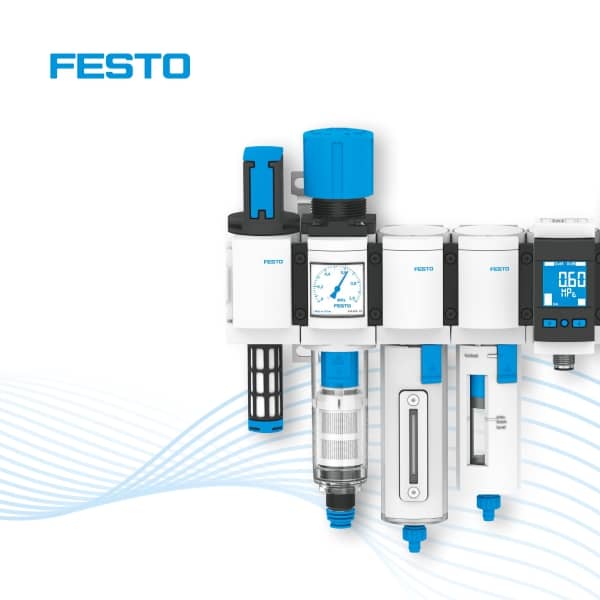
A properly selected air preparation unit has a major impact on operational safety, the service life of pneumatic components, and the efficiency of the entire system. However, choosing the right configuration does not have to be complicated. Festo has developed a practical configuration path that allows you to select a complete system tailored to a specific application step by step. Below, we present the key elements worth considering when configuring an air preparation unit — from control, filtration, and pressure regulation to safety and sensor integration in modern pneumatic systems. Selection Path for a Complete Air Preparation SystemConfiguring the right solution requires consideration of many factors, such as the type of application, required filtration level, air drying method, and system safety level. |
 |
Follow these 7 steps to properly configure a complete air preparation unit: |
 |
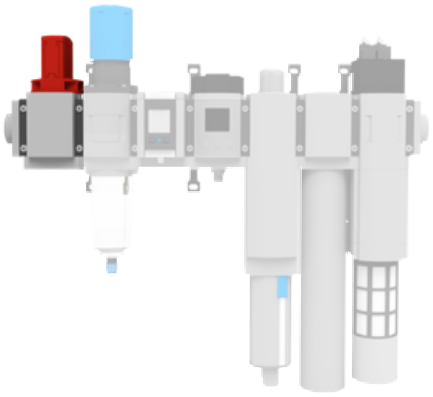
Step 1. Choose the Control MethodThe first step is to determine how the system will be controlled. Available options include:
The soft-start function enables gradual pressure build-up within the installation, improving machine start-up safety and reducing the risk of component damage. |
 |
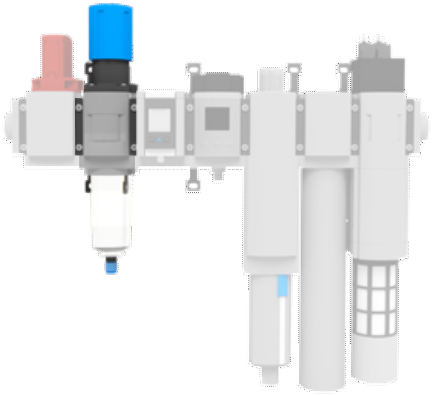 |
Step 2. Select Material and Basic ParametersThe next stage involves selecting the material used for the components:
At this stage:
Properly selected components help optimize system performance and simplify future maintenance. |
 |
 |
Step 3. Plan Flow and System LayoutProper selection of pipe diameters and flow direction is crucial for minimizing pressure losses. When designing the system, it is worth considering:
A properly designed system ensures stable delivery of compressed air to all receivers. |
 |
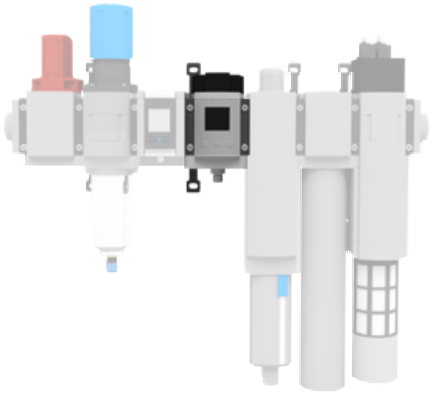 |
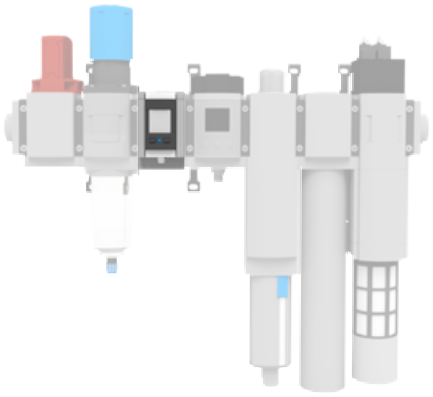
Step 4. Consider Sensor IntegrationModern air preparation units increasingly cooperate with monitoring and automation systems. Available options include:
It is important to ensure that the selected sensors are compatible with the machine control system and provide the required level of diagnostics. |
 |
 |
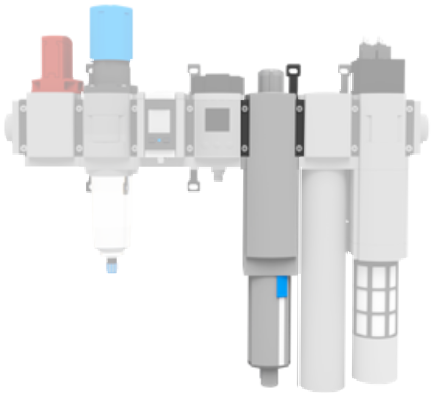
Step 5. Select the Appropriate Filtration LevelThe filtration range should be tailored to the application requirements. In more demanding industries — such as food processing or semiconductor manufacturing — fine filtration and activated carbon filters for removing oil aerosols may be required. In some cases, lubrication of the system should also be considered. The most important factor is matching air quality to the process requirements and all system components. |
 |
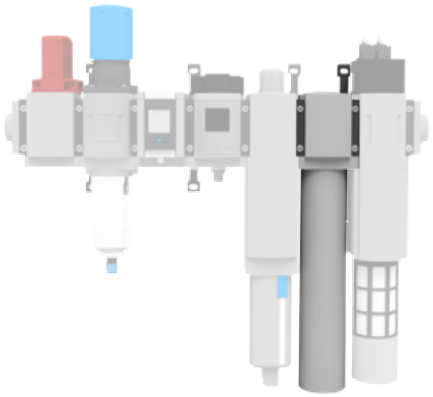 |
Step 6. Remember Air DryingMoisture in a pneumatic installation may lead to corrosion, reduced efficiency, and equipment failures. When selecting an air drying system, it is important to:
Compact membrane solutions effectively reduce moisture levels without requiring major system expansion. |
 |
 |
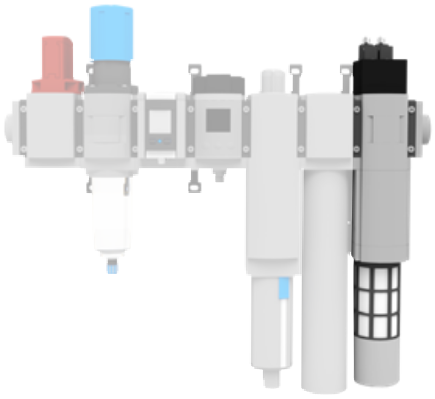
Step 7. Review Safety RequirementsDesigning an air preparation unit should take into account the safety level required by the application. Depending on the requirements, three solutions may be used:
Regular inspections, emergency procedures, and technical documentation are just as important as the component selection itself. |
 |
Summary – Selecting an Air Preparation Unit Involves Much More Than Choosing a Filter and Regulator.
The right configuration affects:
- operational safety,
- process stability,
- component durability,
- energy efficiency,
- diagnostics and monitoring capabilities.
Thanks to the Festo configurator, it is possible to go through all key stages in a structured way and create a solution tailored to a specific application.
Visit www.albeco.com.pl and discover our wide range of FESTO air preparation solutions.

Learn more about the benefits of FESTO solutions:
Przemysław Węglarek
Team Leader - Pneumatics & Industrial Hydraulics
 |
[email protected] |
 |
+48 61 60 00 196, +48 538 127 005 |
Tomasz Klejda
Technical Specialist - Pneumatics & Industrial Hydraulics
|
[email protected] |
|
+48 61 60 00 150 |
Read more
FESTO Basic production program - Selected products